
The Glossary Play: How Definition Pages Build Topical Authority for AI
Glossary and definition pages are the hidden authority builders of AI search. They answer "what is" queries directly, create natural internal linking targets, and signal comprehensive topic coverage to AI models.

Glossary pages are the most efficient topical authority builders per word written. They answer definitional AI queries directly, create natural internal linking anchors across your content cluster, and signal comprehensive topic coverage — all in 500-800 words per page.
Why Glossary Pages Punch Above Their Weight
A 600-word glossary page takes 45 minutes to write. It targets a specific "what is" query that AI models answer frequently. It creates a natural linking target that every other article in the cluster can reference. And it signals to both Google and AI models that your site covers the topic\'s foundational terminology — a hallmark of genuine expertise.
According to Joel House, founder of MentionLayer and author of AI for Revenue, "The glossary play is the most underrated strategy in AI search. Wikipedia dominates AI citations — 47.9% of ChatGPT\'s top-10 cited domains — precisely because it answers definitional queries with structured, comprehensive, interlinked content. You cannot out-Wikipedia Wikipedia. But you can create definition pages in your specific niche that provide deeper, more current, and more practitioner-focused definitions than Wikipedia offers."
The efficiency is remarkable. A 25-page glossary covering your industry\'s key terms takes the same writing effort as 5-6 standard articles. But those 25 pages create 25 new ranking opportunities for "what is" queries, 25 new internal linking targets, and a comprehensive terminology layer that makes your entire cluster more authoritative.
Anatomy of an Effective Glossary Page
The best glossary pages follow a specific structure optimized for both AI citation and reader utility.
Title: "What Is [Term]? [Subtitle with context]" — this mirrors exactly how users and AI models phrase definitional queries.
Opening paragraph (100-150 words): A direct, self-contained definition that AI models can extract as a complete answer. Front-load the definition before providing context or explanation. Include one key statistic that grounds the term in data.
Core explanation section (150-200 words): Deeper exploration of the concept. How it works, why it matters, where it applies. Include an expert quote that adds information gain beyond the pure definition.
Practical application section (100-150 words): How the concept applies to the reader\'s situation. Link to the deeper article or pillar page that covers implementation. This is where you bridge from definition to action — and from the glossary page to your cluster\'s core content.
3 FAQs (50-80 words each): Common follow-up questions about the term. These capture long-tail variations of the definitional query and trigger FAQPage schema for AI Overview eligibility.
Total: 500-800 words. Implement Article schema plus FAQPage schema. Link to the pillar page of the relevant cluster and to 2-3 related glossary terms.
"Each glossary page is a micro-authority signal. Individually they are small. Collectively — 15-25 definitions covering every term in your niche — they create a foundation of topical coverage that AI models cannot ignore," says Joel House.
The Glossary Linking Strategy
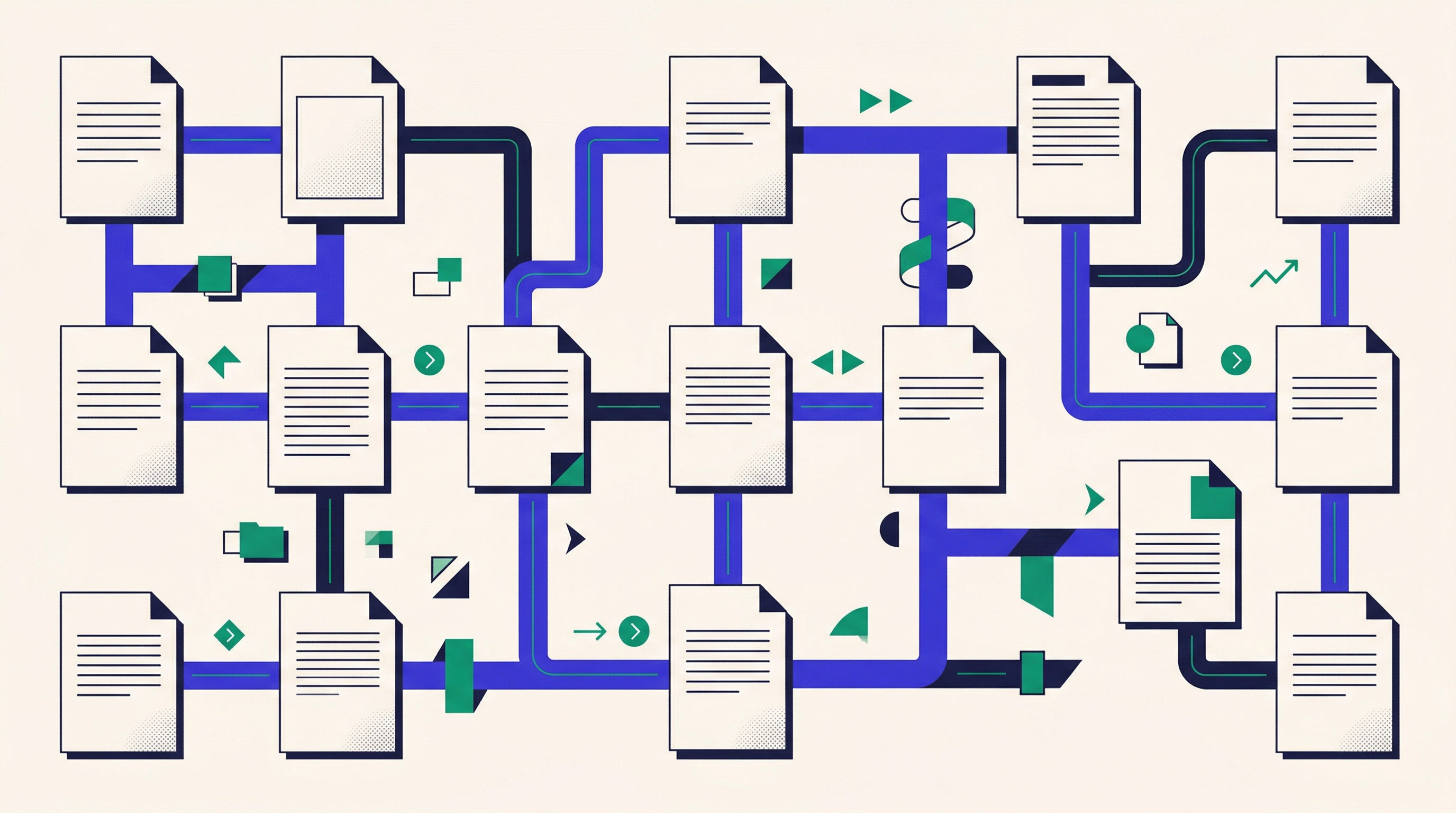
The real power of glossary pages is the internal linking architecture they enable.
Rule: Link every first occurrence of a defined term to its glossary page. When an article mentions "topical authority" for the first time, it links to the glossary definition. When it mentions "Share of Model," that links to its definition too. This creates a dense, natural internal link network without any forced linking.
The compound effect: - A glossary page for "citation velocity" gets linked from every article that mentions citation velocity — which might be 15-20 articles across the site - Those 15-20 inbound links make the glossary page highly authoritative for that specific term - The glossary page links to the pillar page, passing that accumulated authority upward - The pillar page links to other glossary pages, completing the knowledge graph
This structure mirrors how Wikipedia works — and Wikipedia dominates AI citations precisely because of this interlinked definitional layer. Your glossary is your domain-specific Wikipedia.
Plan your glossary strategically. Map every key term in your industry. Prioritize terms that: (a) have search volume ("what is" queries), (b) appear frequently in your existing content, and (c) are specific enough that your expertise adds value over a generic definition. For AI visibility specifically, target terms like answer engine optimization, LLMO, prompt-based search, AI referral traffic, and consensus layer.
Want to see whether your definitional pages are already earning AI citations — and which niche terms you have left uncovered? A free AI visibility audit maps where AI models cite you today and where the gaps are, in about 20 minutes, emailed straight to you.
Frequently Asked Questions
How many glossary pages should I create?
Start with 10-15 covering the most important terms in your niche. Expand to 20-30 as your content library grows. Each term should have genuine search volume ("what is X" queries) and appear in multiple articles across your site. A mature glossary of 25+ terms creates a dense internal link network that significantly strengthens topical authority signals for AI models.
Should glossary pages be separate from regular blog posts?
They can live in the same blog section but should be tagged as glossary/definition content for internal tracking. The URL structure (/blog/what-is-[term]) works well for SEO and reader expectations. Category tagging as "fundamentals" or "glossary" helps users and AI models understand the content type. Treat them as part of your broader content cluster, not a separate section.
Can glossary pages rank on Google too?
Yes. "What is [term]" queries often have featured snippet opportunities, and well-structured definition pages with FAQ schema are strong candidates. The key is providing a direct, self-contained definition in the first paragraph (for the featured snippet) while offering deeper value in subsequent sections (for user engagement and AI citation). Many glossary pages rank for their target term within 2-4 weeks of publishing.
Check Your AI Visibility Score
Run a free 5-pillar audit and see where your brand stands across Citations, AI Presence, Entities, Reviews, and Press.
Run Free Audit →Related Articles

Topical Authority: The Complete Guide to Dominating Your Niche in 2026

What Is Topical Authority and Why AI Models Care About It

Pillar Pages and Topic Clusters: Building Authority That AI Recognizes
Internal Linking Strategy for AI: Helping Both Google and AI Models Understand Your Site
