MentionLayer Blog
The playbook for getting your brand recommended by AI.
Listicle Optimization for AI: Why List Content Gets Cited Far More
List-format content gets cited by AI models significantly more than narrative content covering the same topics. Learn the specific optimization strategies for ranked listicles, comparison lists, and resource compilations that maximize AI extraction and citation.
Read article →
How to Create an AI-Optimized FAQ Page That Gets Cited
FAQ pages are 3.2x more likely to appear in AI Overviews than pages without FAQ schema. Learn how to structure, write, and optimize FAQ content that AI models extract and cite — from answer length to schema implementation to strategic question selection.
Does Reddit Activity Actually Help AI Recommend Your Brand?
Examining the direct connection between Reddit brand mentions and AI model recommendations. Data on how Reddit activity translates to AI citations, what types of Reddit content drive recommendations, and common misconceptions.
Best Content Formats for Getting Cited by AI Models
A ranked guide to the content formats that AI models cite most frequently — from comparison articles and FAQ pages to data compilations and expert roundups. Includes format-specific optimization tips and citation rate benchmarks.

Why We Built AI Visibility Software Inside a Marketing Agency
MentionLayer didn't start as a product. It started as a problem we kept hitting while running client campaigns inside a marketing agency — and that origin shapes how the platform works today.

When Buyers Ask AI 'Who Can I Trust?' — The Citation Gap in Finance
High-trust finance and alternative-investment brands are increasingly absent from the AI answers their buyers rely on. Here's why the citation gap is widest exactly where trust matters most — and how to close it.
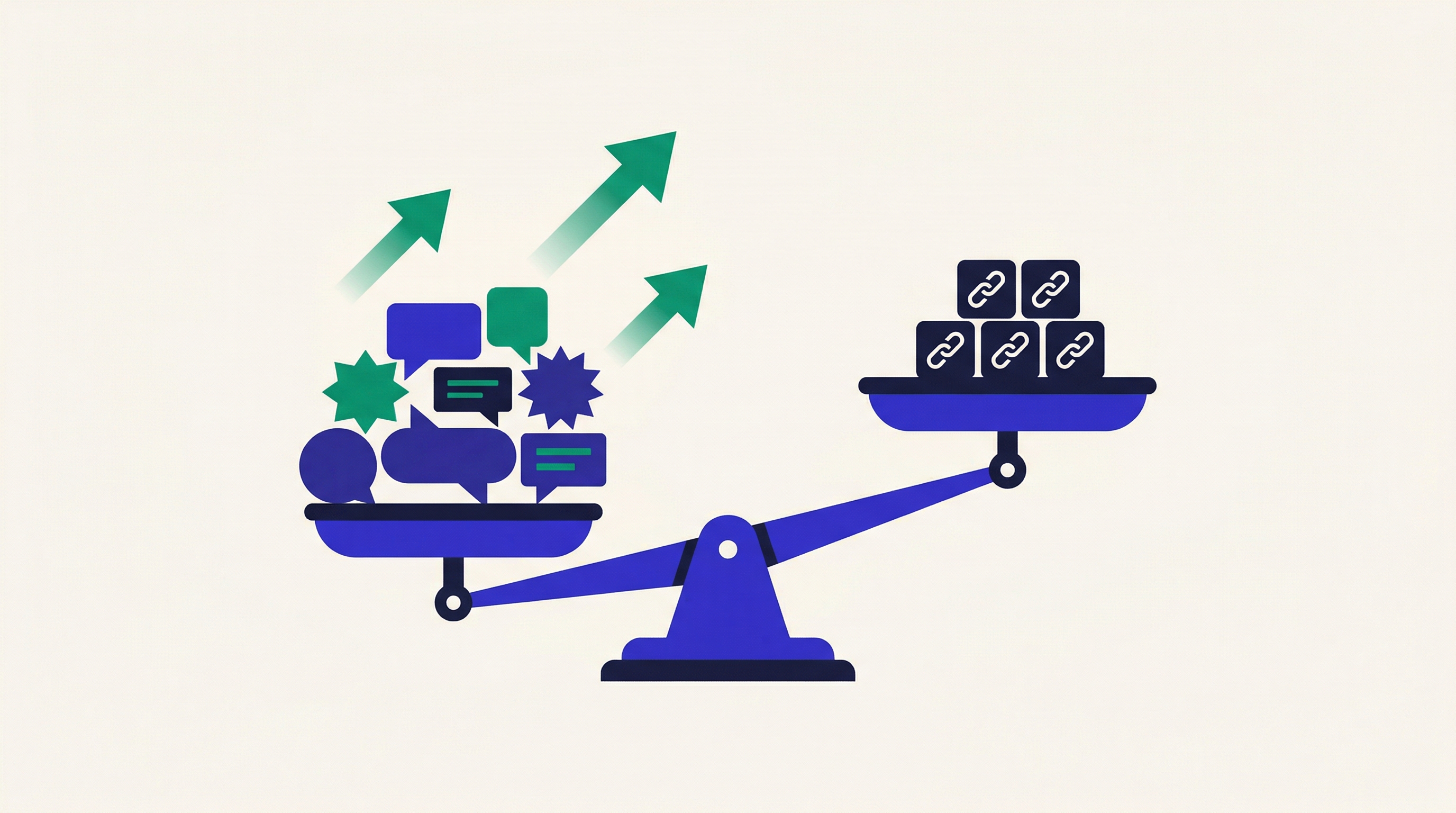
Brand Mentions vs Backlinks: Why Mentions Matter 3x More for AI
Data analysis showing that brand mentions correlate 3x more than backlinks with AI visibility. Explores why AI models weight unlinked mentions, how to build a mention-first strategy, and what this means for traditional SEO budgets.
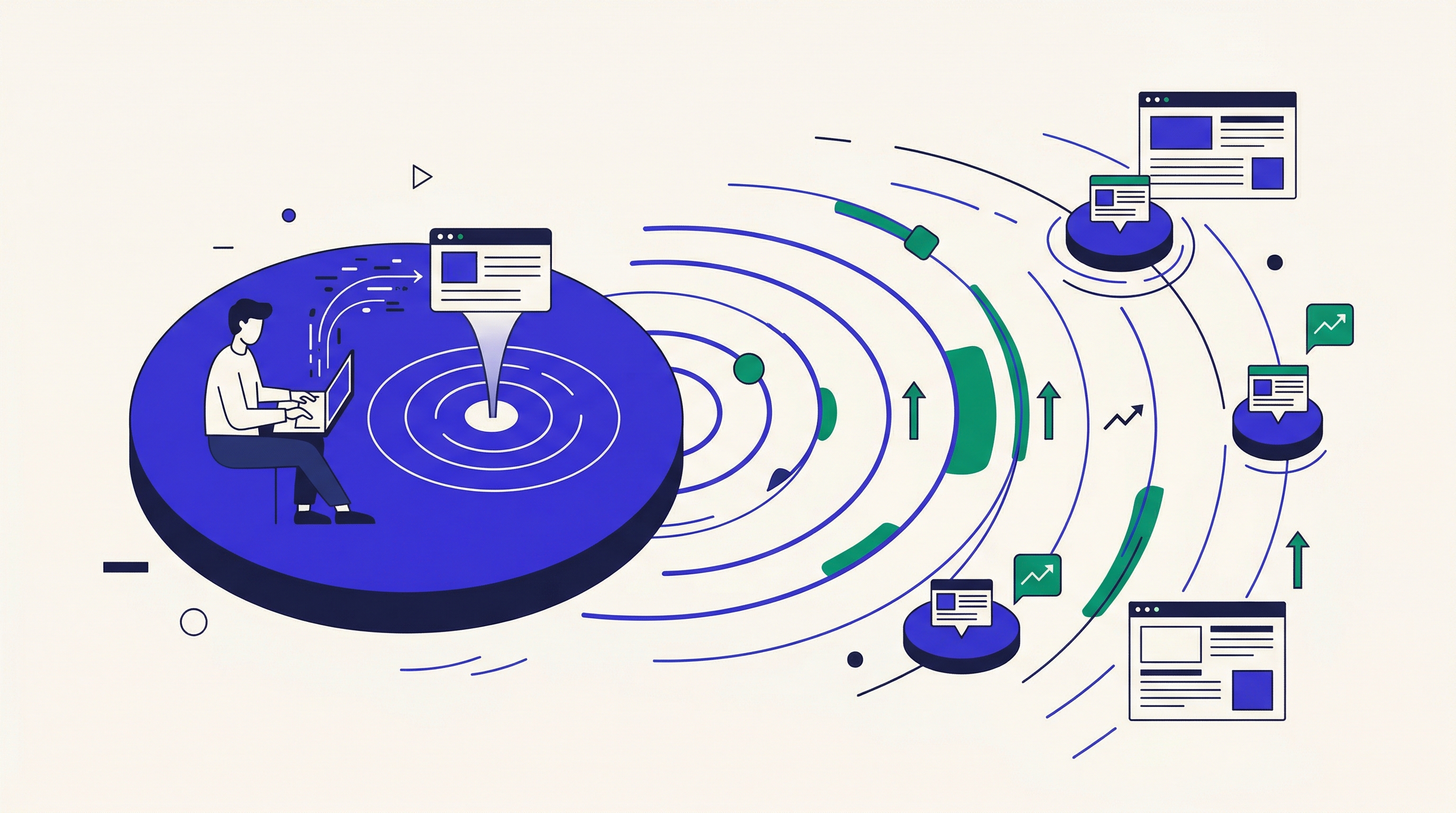
Medium, Guest Posts, and Third-Party Publishing for AI Citations
Third-party publishing on platforms like Medium, industry blogs, and guest post sites creates the multi-source validation layer that AI models use to build recommendation confidence. Learn which platforms matter and how to optimize published content for AI citations.
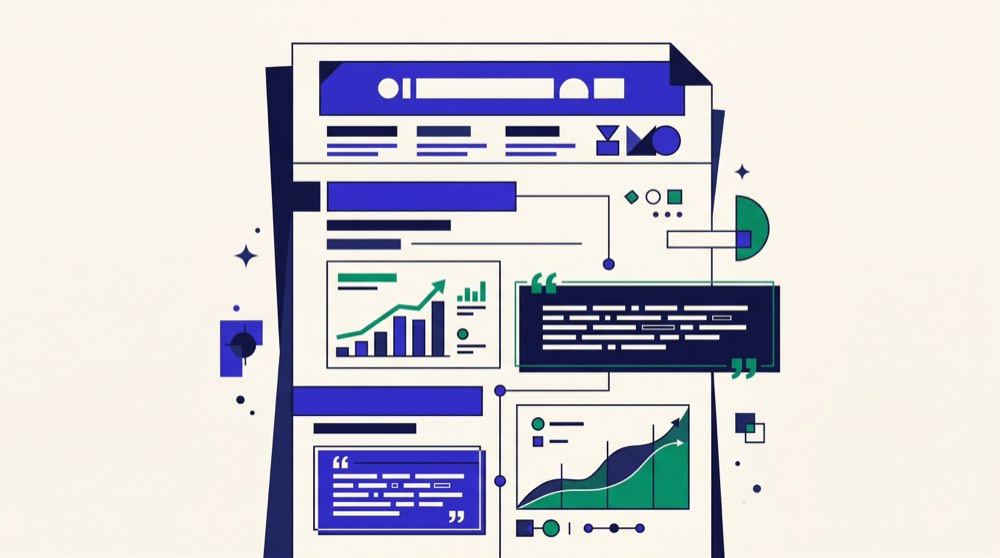
How to Structure Content in Self-Contained Citable Units
AI models cite content at the section level, not the page level. Learn how to structure every piece of content — blog posts, landing pages, FAQ pages — into self-contained units that AI models can extract and cite independently.
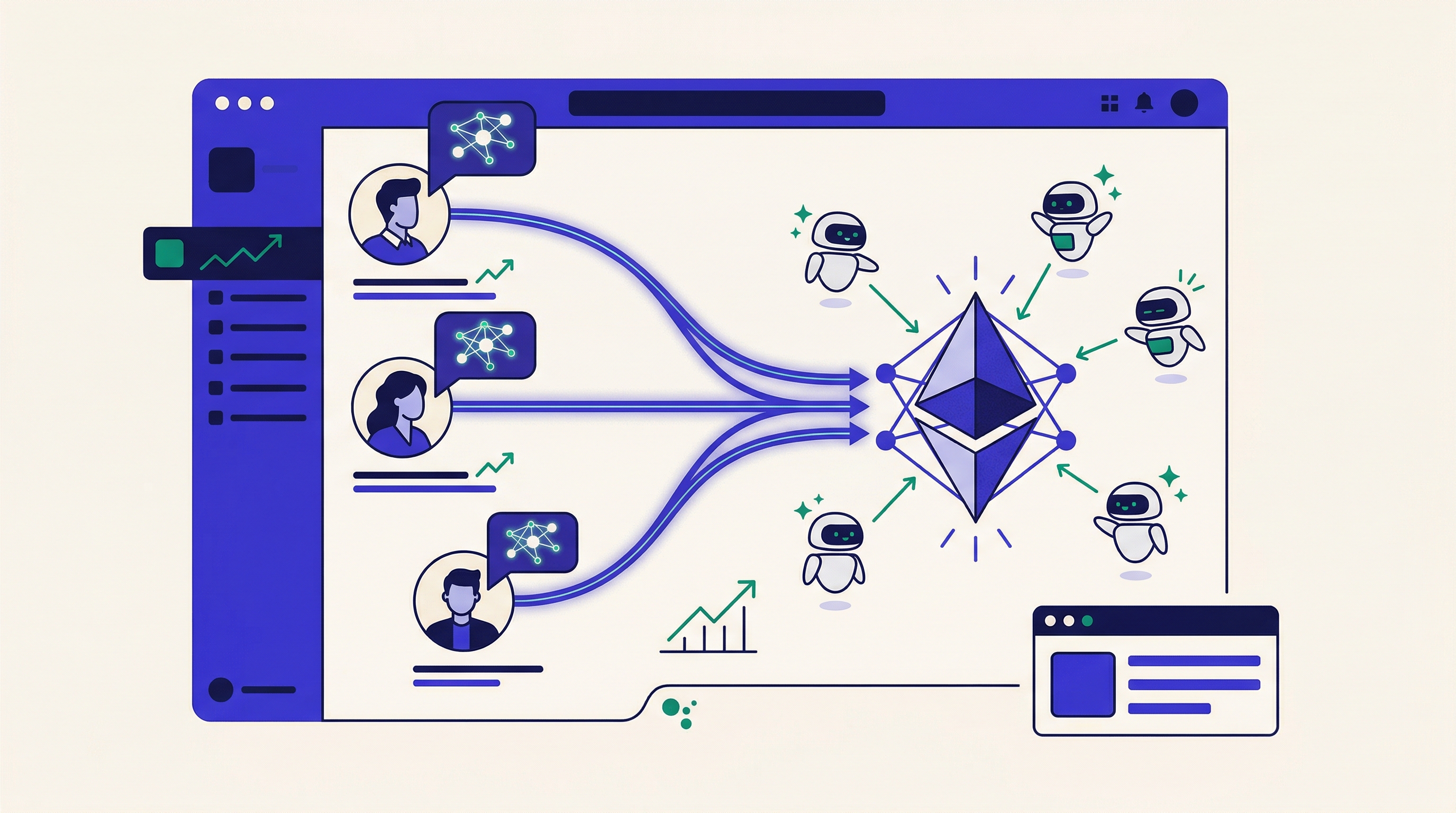
LinkedIn for AI Visibility: Leveraging the #2 Most-Cited Domain
LinkedIn is the second most-cited domain by AI models for B2B and professional queries. Learn how to optimize your LinkedIn presence — articles, posts, and profile — for AI model citations.
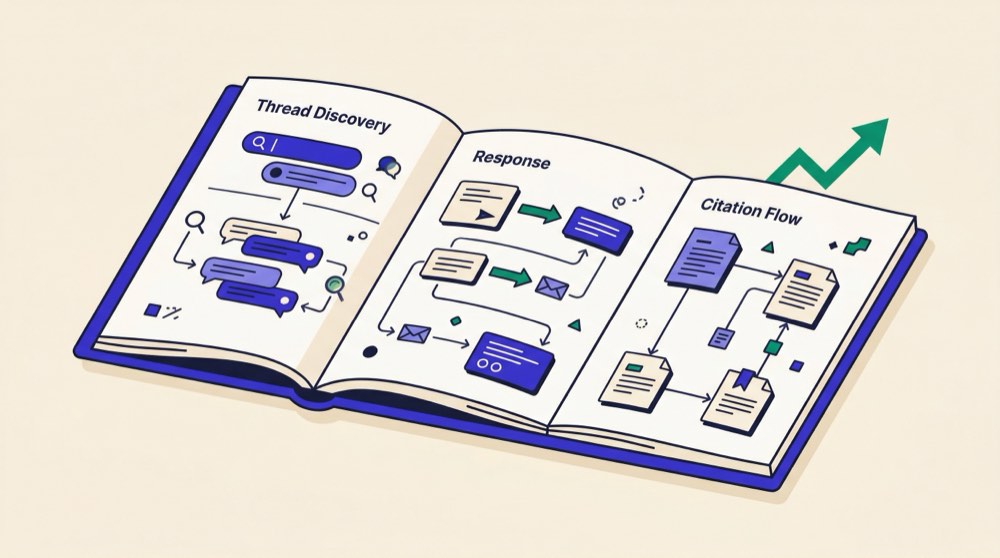
What Is Citation Velocity? Why AI Picks Up New Brands
Citation velocity is the rate at which new, credible references to your brand appear across the web. It is one of the clearest leading indicators of whether AI models are about to start recommending you.
What Is RAG SEO? Optimizing for Retrieval-Augmented AI
RAG SEO is the practice of structuring content so retrieval-augmented AI systems retrieve it, trust it, and cite it. It is how you show up in tools like Perplexity and ChatGPT search that read the live web before answering.
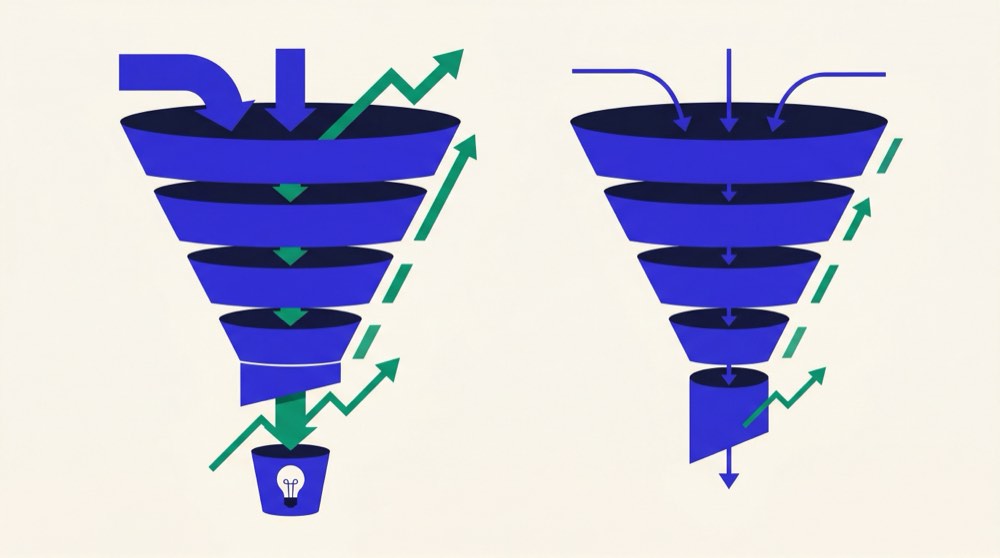
What Is AI Referral Traffic? Visits From ChatGPT & More
AI referral traffic is the visits that arrive on your site from AI assistants like ChatGPT, Perplexity, and Google AI Overviews. It is a small but fast-growing channel that tends to convert unusually well.
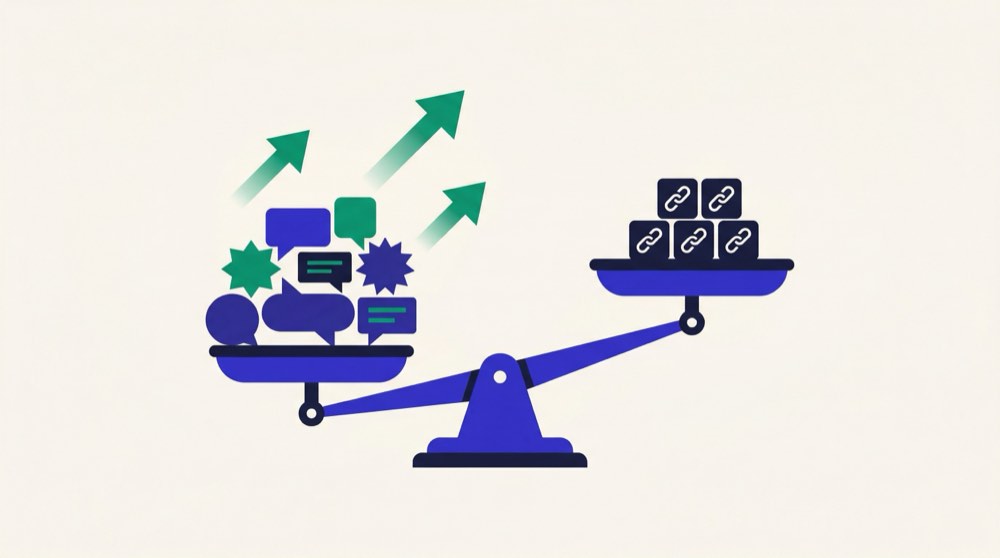
What Is an Unlinked Mention? Why It Still Builds Authority
An unlinked mention is when a website names your brand without linking to you. In the AI era these mentions carry real weight, because models read brand names and context, not just hyperlinks.
What Is LLM Seeding? Placing Brand Signals AI Will Read
LLM seeding is the practice of placing accurate, helpful references to your brand in the sources large language models read — so that when someone asks an AI for a recommendation, your brand is part of the answer.

What Is Prompt-Based Search? The Shift From Keywords
Prompt-based search is when people ask an AI assistant a full question in natural language instead of typing keywords into a search box. It changes what 'ranking' means and what it takes to get your brand recommended.
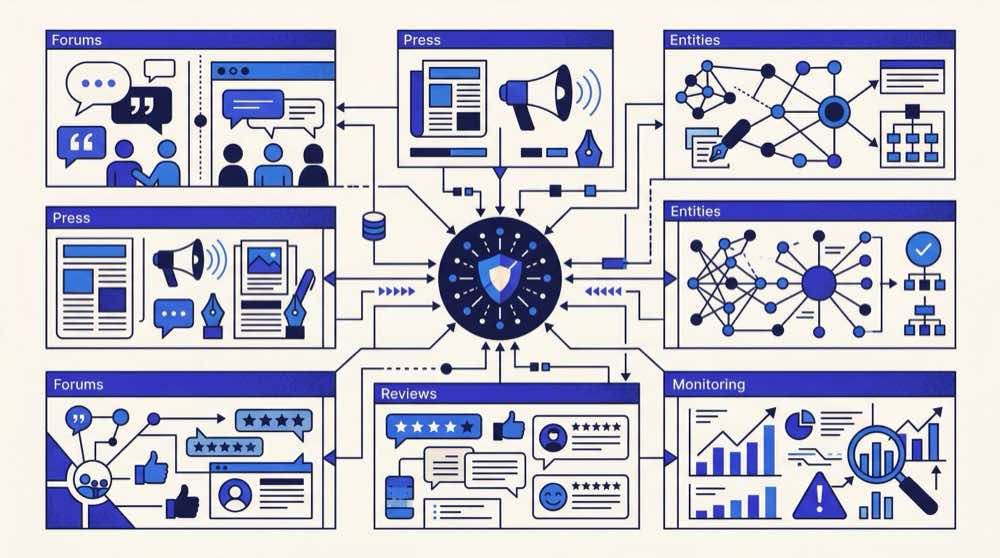
What Is Answer Engine Optimization (AEO)?
Answer engine optimization (AEO) is the practice of optimizing your content to be the answer that AI and answer engines return — not just a link in a list. It overlaps heavily with GEO and modern SEO.
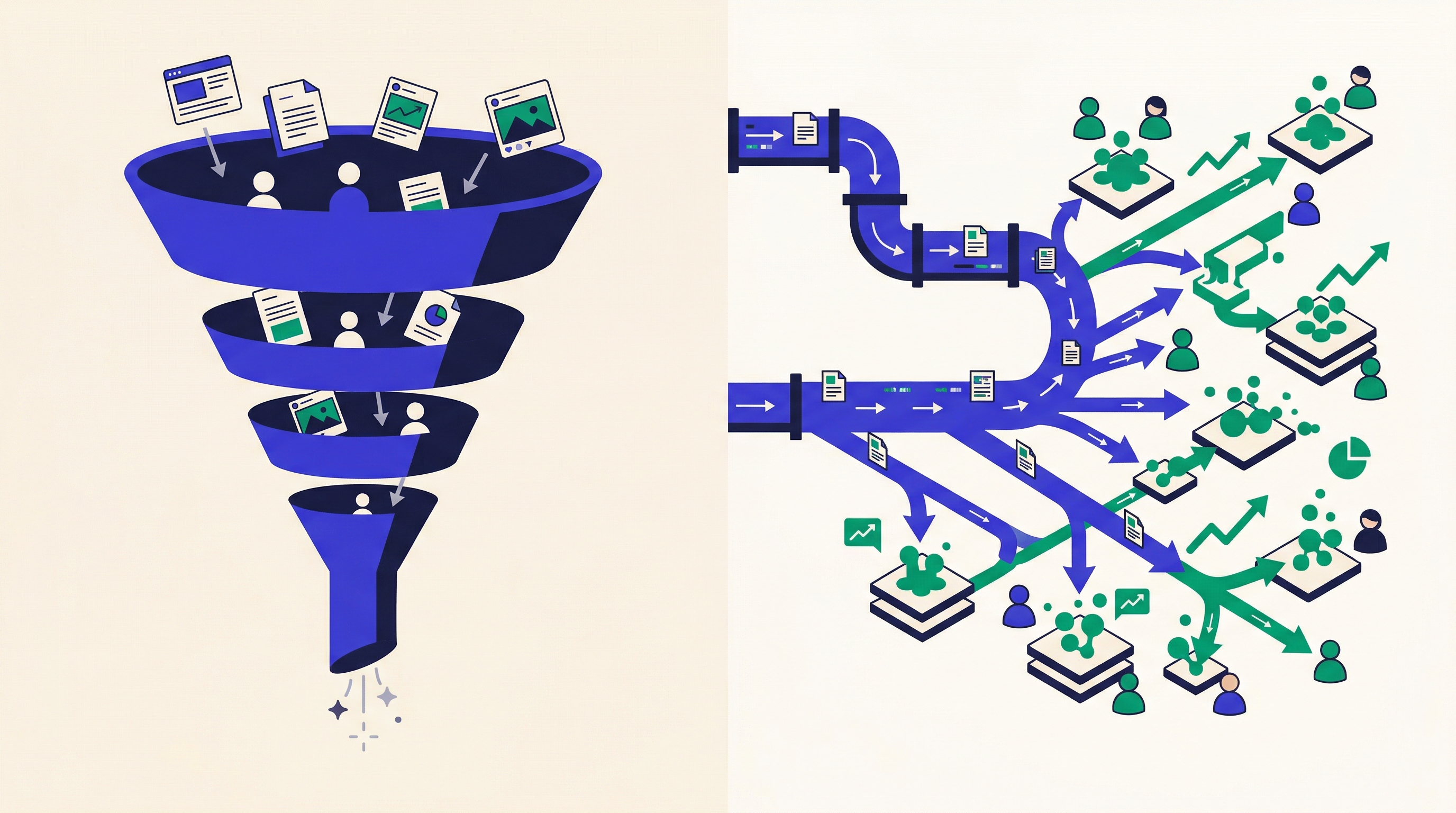
Citation Seeding vs Content Marketing: What Gets AI Results Faster?
A practical comparison of citation seeding (off-site brand placement) and content marketing (on-site authority building) for AI visibility. Covers speed to results, ROI, and when to prioritize each approach.

YouTube GEO: Why Video Is the Most-Cited Source in AI Search
YouTube has overtaken Reddit as the most-cited social platform in AI responses. Learn how to optimize video content for AI model citations, from transcript optimization to description strategy to thumbnail signals.
7 Best Platforms for LLM Seeding (Reddit, Quora, and Beyond)
A ranked guide to the 7 most effective platforms for LLM seeding — placing brand mentions where AI models retrieve and cite content. Covers Reddit, Quora, YouTube, LinkedIn, niche forums, review sites, and Medium with platform-specific strategies for each.
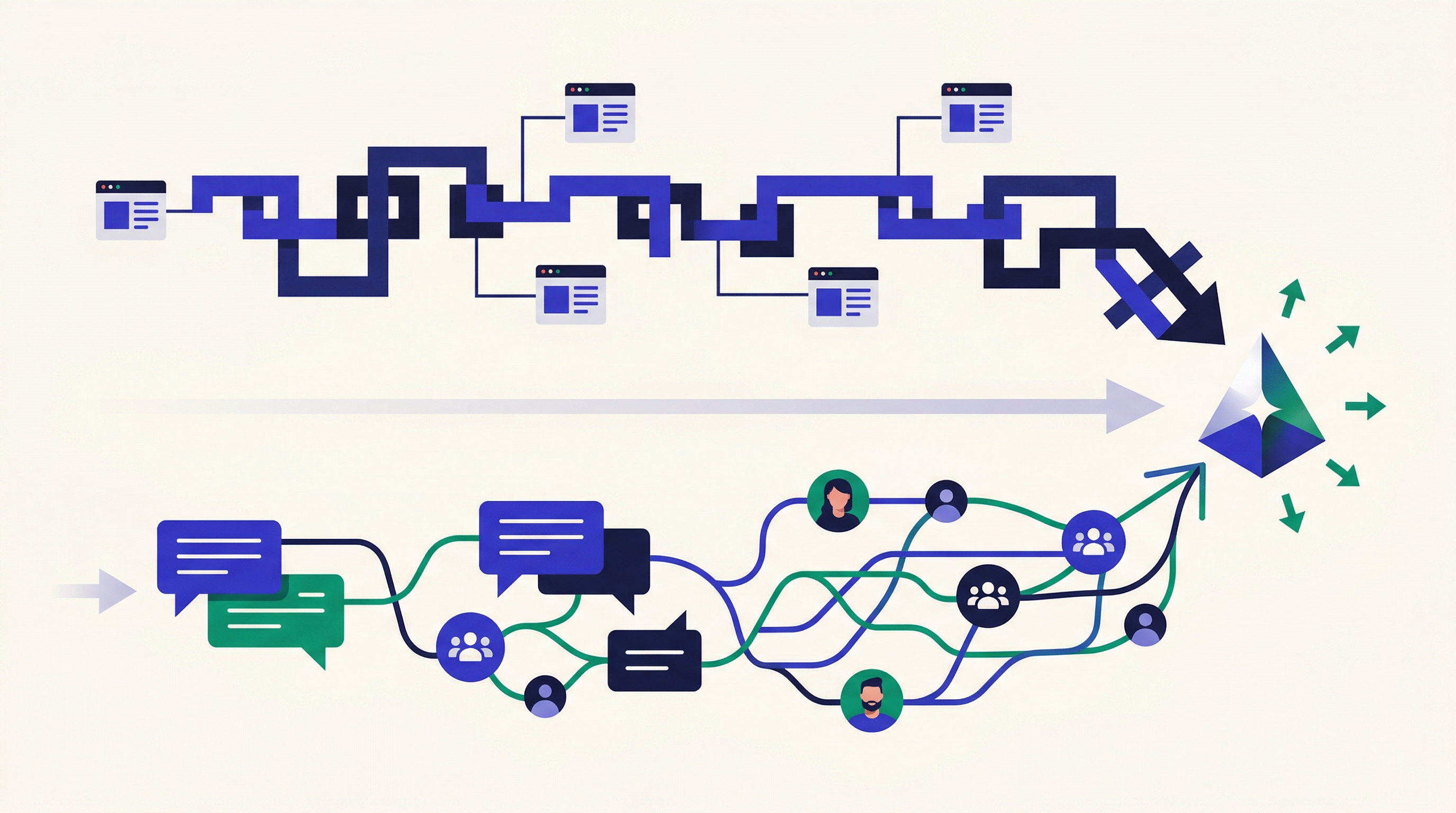
LLM Seeding vs Link Building: Which Matters More in 2026?
A data-driven comparison of LLM seeding (placing brand mentions in AI-cited sources) and traditional link building. Covers when each strategy is appropriate, ROI comparison, and how the two approaches work together in a modern search strategy.
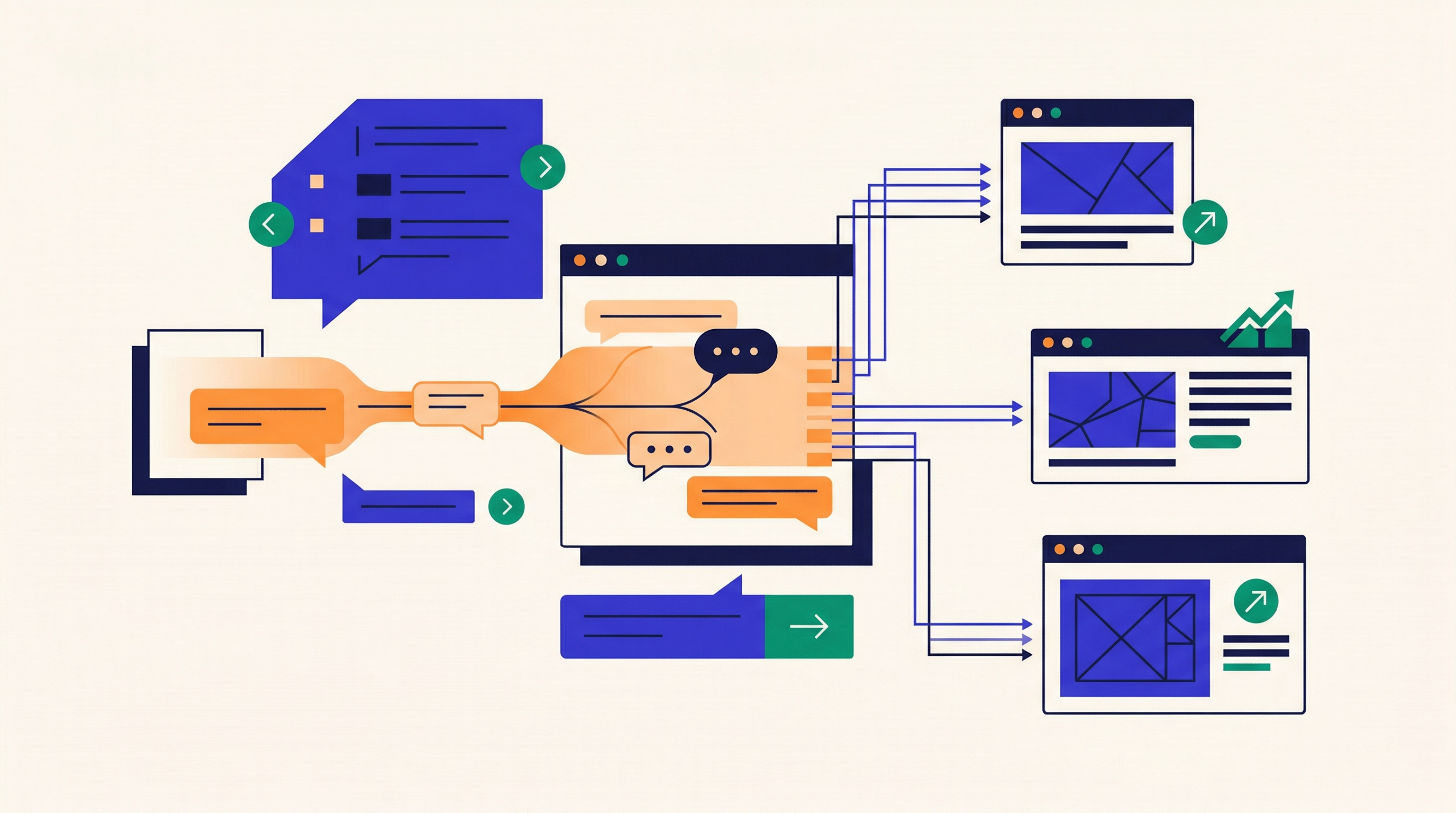
The Reddit Posts That AI Cites Most (and What They Have in Common)
An analysis of the specific Reddit post characteristics that correlate with AI model citations. Covers post type, subreddit selection, engagement patterns, age, and structural elements that predict whether a Reddit thread will be cited by ChatGPT, Perplexity, or Gemini.
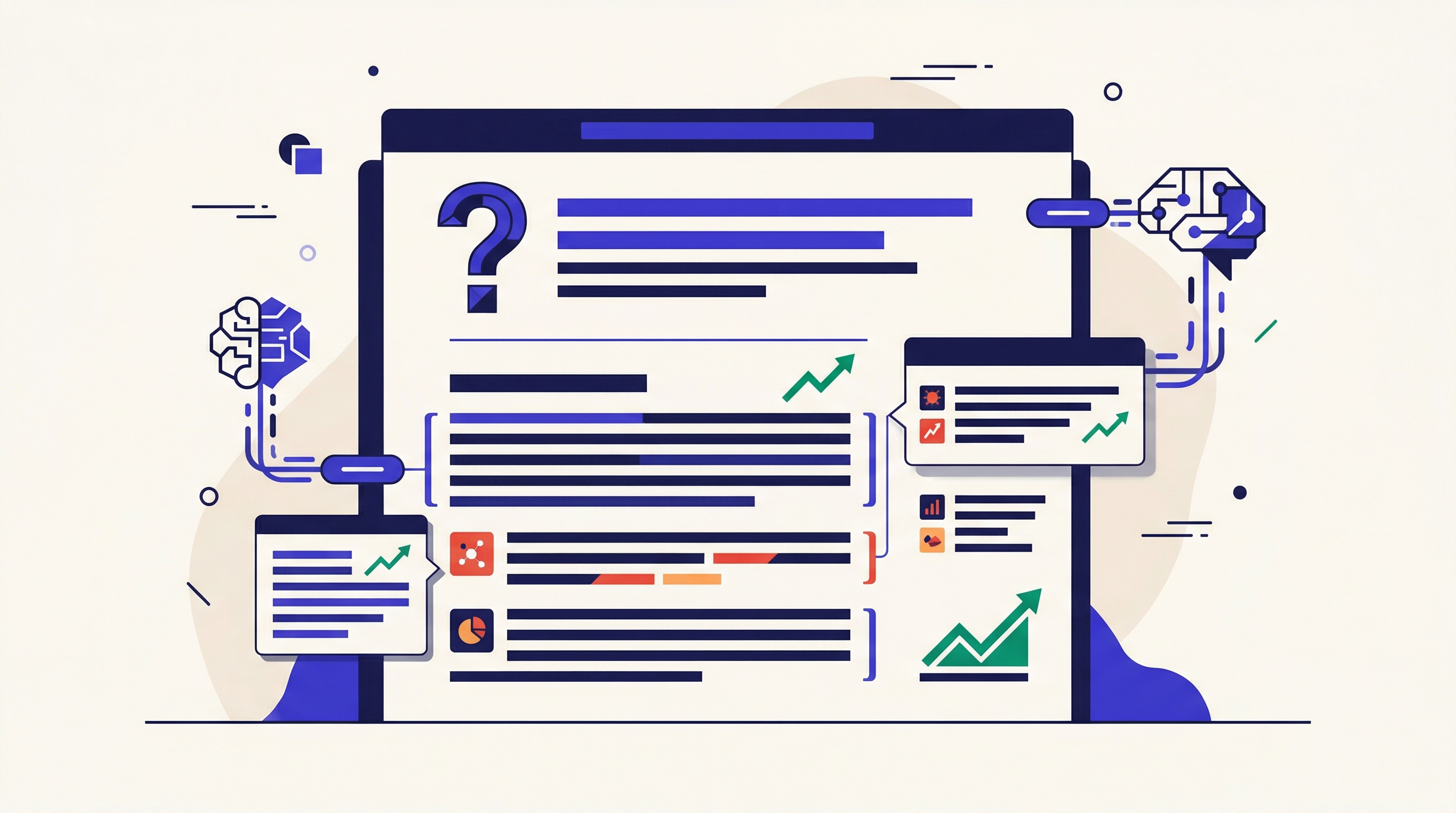
Quora Optimization for AI Citations: How to Get Your Answers Cited
Quora answers are a significant source for AI model citations, especially for expert-authority and how-to queries. Learn the specific optimization strategies that get Quora answers cited by ChatGPT, Perplexity, and Gemini.

What Is Content Seeding? The Foundation of AI Brand Mentions
Content seeding is the practice of placing authentic, helpful brand mentions in community discussions that AI models retrieve and cite. This glossary entry explains the concept, its role in AI visibility, and how it differs from traditional link building.

Content Seeding Strategy: How to Place Your Brand in AI-Cited Threads
The definitive guide to content seeding — the practice of placing authentic, value-adding brand mentions in forum threads, Q&A platforms, and community discussions that AI models already cite. Covers platform selection, thread identification, response writing, compliance, and measurement.
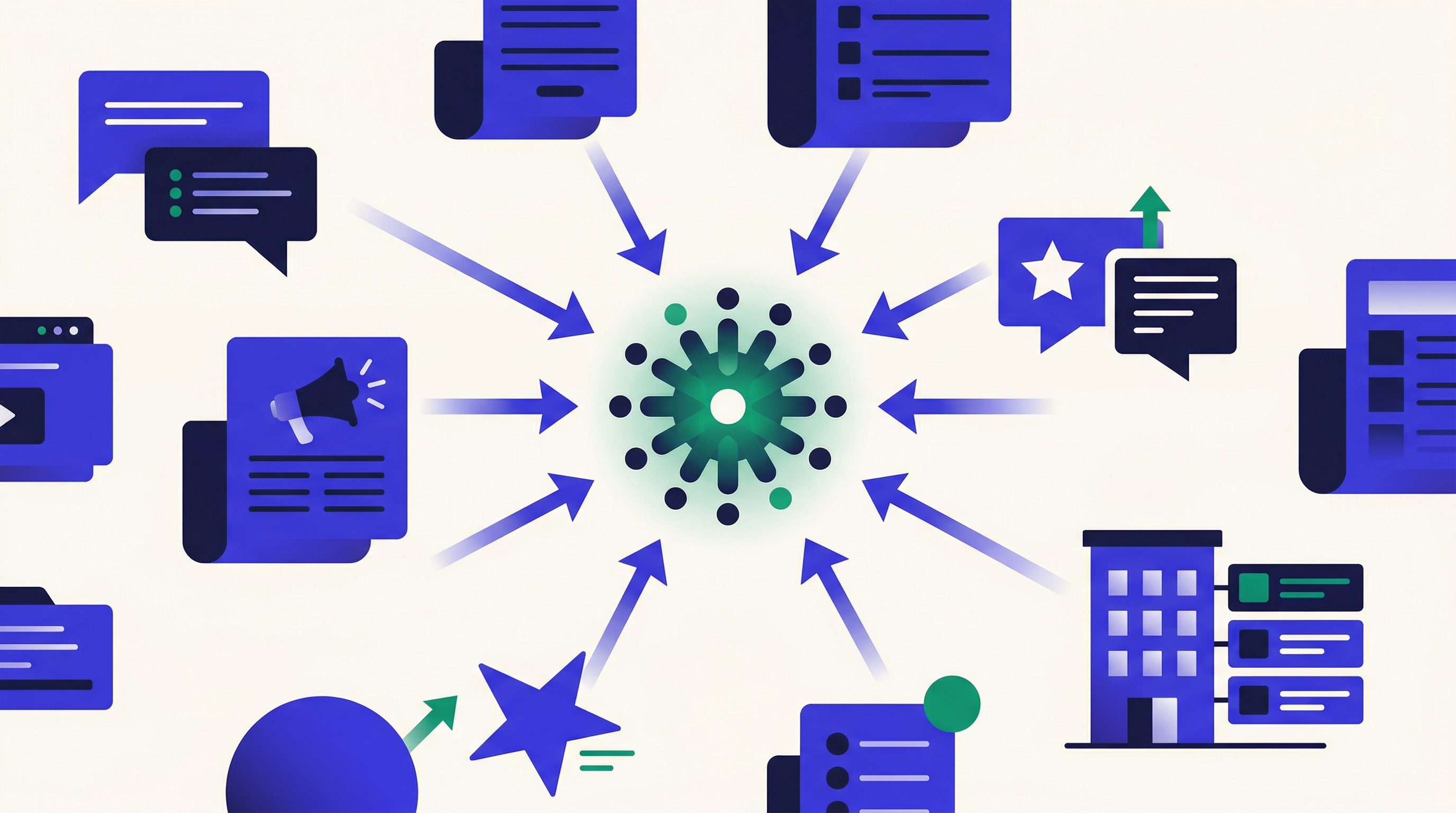
How to Build Multi-Source Consensus for AI Recommendations
AI models recommend brands that appear consistently across multiple independent sources. Learn the specific strategy for building multi-source consensus that triggers AI citations and recommendations.
Content Marketing Strategy for 2026: How AI Changed What Works
Content marketing in 2026 requires a fundamentally different strategy than what worked in 2024. AI models now mediate a fast-growing share of consumer searches, and the content formats, distribution channels, and measurement metrics that drive results have shifted dramatically.

What Is a Content Cluster? The Building Block of AI Authority
A content cluster is a group of interlinked pages — a pillar page plus supporting articles — that comprehensively covers a topic. AI models use cluster depth as a trust signal when deciding which sources to cite.
Semantic SEO for AI: How NLP and Entity Relationships Drive Citations
Semantic SEO is the practice of optimizing for meaning and entity relationships rather than keyword density. In the AI era, it determines whether AI models understand your content deeply enough to cite it accurately.
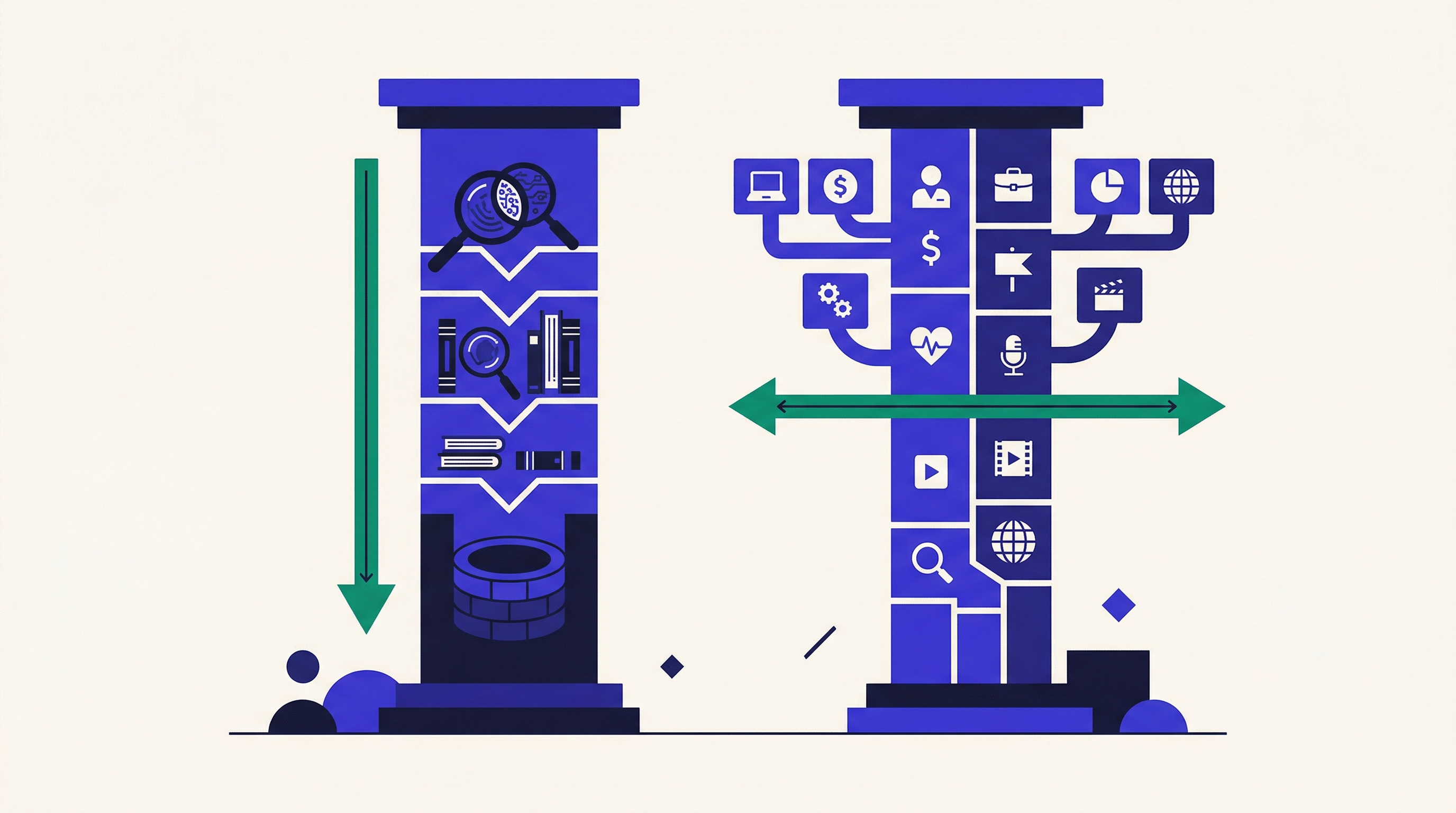
Topical Authority vs Domain Authority: Which Matters More for AI?
Domain authority measures backlink-driven ranking power. Topical authority measures content-driven expertise. For AI visibility, they serve different purposes — this comparison explains which to prioritize and when.

The Glossary Play: How Definition Pages Build Topical Authority for AI
Glossary and definition pages are the hidden authority builders of AI search. They answer "what is" queries directly, create natural internal linking targets, and signal comprehensive topic coverage to AI models.

The Content Refresh Playbook: How Updating Old Content Boosts AI Citations
76.4% of ChatGPT\'s cited pages were updated within 30 days. This playbook covers when to refresh, what to update, and a monthly cadence that keeps your best content earning AI citations indefinitely.

What Is Information Gain in AI Search? How Unique Content Wins
Information gain measures how much new, unique value a piece of content adds beyond what already exists on a topic. AI models prioritize sources with high information gain because they provide answers other sources cannot.
Internal Linking Strategy for AI: Helping Both Google and AI Models Understand Your Site
Internal linking is the connective tissue that transforms scattered content into recognized topical authority. This guide covers the 5-layer linking framework, anchor text strategy, orphan page detection, and the specific linking patterns that increase AI citation probability.

Pillar Pages and Topic Clusters: Building Authority That AI Recognizes
How to structure pillar pages and topic clusters so both Google and AI models recognize your expertise. Includes templates, linking patterns, and the specific formatting that maximizes AI citation probability.

How to Build Topical Authority That AI Models Trust
A step-by-step implementation guide for building the kind of topical authority that earns AI model citations. Covers cluster planning, content creation, linking, and the off-site signals that validate on-site expertise.

What Is Topical Authority and Why AI Models Care About It
Topical authority is the depth of expertise a website demonstrates on a specific subject. This glossary entry explains what it is, how AI models evaluate it, and why it determines whether your content gets cited.

Topical Authority: The Complete Guide to Dominating Your Niche in 2026
The definitive guide to building topical authority that both Google and AI models recognize. Covers content clusters, pillar pages, internal linking, information gain, semantic SEO, and the specific signals AI models use to determine niche expertise.

Share of Model vs Share of Voice: Measuring What Matters in 2026
Share of Model measures AI recommendation visibility. Share of Voice measures traditional media and search visibility. This comparison explains why you need both metrics, how they differ, and how to track each one effectively.
Why ChatGPT Recommends Your Competitors Instead of You
When users ask ChatGPT for recommendations in your category and your competitor appears instead of you, there are specific, traceable reasons. This guide diagnoses the four most common causes and provides a focused action plan to shift the recommendation.

The AI Visibility Gap: Most Businesses Have No AI Search Strategy
The vast majority of businesses have no strategy for appearing in AI search results, even as AI referral traffic becomes the fastest-growing discovery channel. This analysis examines the gap, who is exploiting it, and what happens to businesses that wait.

10 Best Ways to Get Your Brand Recommended by AI Models
A ranked list of the 10 most effective tactics to get ChatGPT, Perplexity, and Gemini to actively recommend your brand. Each tactic includes implementation steps, expected timeline, and impact level based on campaign data.

What Is the Consensus Layer in AI Search?
The consensus layer is the mechanism AI models use to decide which brands to recommend by triangulating mentions across multiple independent sources. This glossary entry explains how it works and why it matters for your visibility strategy.

Perplexity vs Google: Which Drives Better Business Traffic?
A data-backed comparison of Perplexity AI and Google as sources of business traffic. Covers citation behavior, conversion rates, user intent differences, and how to optimize for both simultaneously.

Why Your Brand Doesn\'t Appear in AI Search Results (and How to Fix It)
If ChatGPT, Perplexity, and Gemini skip your brand when users ask about your category, there are specific, diagnosable reasons. This guide identifies the six most common causes and provides fix-by-fix action steps.

25 AI SEO Statistics Every Marketer Needs to Know in 2026
The definitive collection of AI SEO statistics for 2026. Covers AI search adoption rates, citation behavior, traffic conversion, platform preferences, and the metrics that define the new search landscape.

What Is an AI Visibility Score? How to Score Your Brand
An AI visibility score measures how often and how prominently your brand appears in AI-generated answers. This guide explains how scores are calculated, what benchmarks look like by industry, and how to improve a low score.

How to Monitor What AI Models Say About Your Brand
A step-by-step guide to tracking your brand\'s presence across ChatGPT, Perplexity, Gemini, and Claude. Covers free manual methods, paid tools, prompt design, and building a monitoring cadence that catches changes before they cost you customers.

The AI Visibility Index: We Tested 1,004 Businesses Across 5 AI Models. 65.9% Are Completely Invisible.
Original research: 95,392 data points across 1,004 businesses, 10 industries, and 5 AI models. Two-thirds of businesses receive zero mentions. Domain Authority and Google Reviews are the twin pillars. llms.txt is overhyped. Full methodology, data tables, anonymized dataset, and the 90-day action plan.

Your Brand Is Invisible to AI — Here’s How to Check in 60 Seconds
37% of consumers now start searches with AI instead of Google. Most brands score 0% visibility. Here’s a 60-second test to check yours.

AI SEO vs Traditional SEO: What Changed and What Didn’t in 2026
SEO isn’t dead — but the game now has two courts. Traditional SEO ranks you on Google. GEO gets you recommended by AI. Here’s what shifted and what stayed the same.

What Is Generative Engine Optimization (GEO)? The Complete Guide for 2026
GEO is the practice of optimizing your brand to be recommended by AI models. This comprehensive guide covers the 6-pillar framework, strategy, execution, and measurement.

Share of Model: The AI Marketing Metric Replacing Share of Voice
Share of model measures what percentage of relevant AI prompts result in your brand being mentioned. Here’s how to measure, benchmark, and improve it.

The AI Citation Index: Where Do ChatGPT, Perplexity, and Gemini Get Their Data?
Perplexity averages 21.87 citations per answer vs ChatGPT’s 7.92. Reddit accounts for 46.7% of Perplexity’s top citations. Here’s the complete citation source breakdown.

How AI Models Decide Which Brands to Recommend (And Why Yours Might Not Make the List)
AI models don’t rank pages — they build consensus from dozens of independent sources. Learn exactly how this consensus layer works, which sources carry the most weight, and why 94% of AI brand mentions never become actual recommendations.

Reddit Is the Most Important Platform for AI Visibility (And Most Brands Ignore It)
Reddit appears in 68% of AI answers and 95% of product-review queries on Google. It’s the number-one source Perplexity cites. Yet most brands have zero presence in the Reddit threads AI models reference about their industry.

Citation Seeding: The Reddit & Quora Strategy That Feeds AI Recommendations
Citation seeding is the practice of placing authentic, valuable responses in forum threads that AI models already reference. This is the complete tactical playbook for finding threads, writing responses, posting strategically, and measuring impact.

Platform-by-Platform GEO: How to Optimize for ChatGPT vs Perplexity vs Gemini vs Claude
Only 11% of cited domains appear across multiple AI platforms. Each engine has radically different citation behaviors. A single GEO strategy won’t work. Here’s the platform-specific playbook.

The AI Visibility Audit: How to Score Your Brand Across 6 Pillars
The 6-pillar AI visibility audit measures AI Presence, Entities, Reviews, On-Page, Citations, and Press to produce a composite score from 0-100. Learn how each pillar is scored, what the numbers mean, and how to use the audit to build your action plan.

Schema Markup for AI Search: What Actually Gets You Cited in 2026
Content with comprehensive schema markup has a 2.5x higher chance of appearing in AI-generated answers. Here is which schema types matter most and how to implement them for maximum AI visibility.

Digital PR in the AI Era: Why Brand Mentions Now Beat Backlinks 3:1
90% of citations driving LLM visibility come from earned media. Digital PR has gone from brand awareness tactic to critical AI visibility infrastructure.

Your Robots.txt Is Blocking ChatGPT: The AI Crawler Decision Framework
79% of top news sites block AI training bots. But blocking the wrong crawlers means AI literally cannot cite your content. Here is the framework for deciding what to allow.

Zero-Click Search Is Here: What the AI Overviews Data Actually Shows
AI Overviews appear in 48% of Google queries. When they do, organic CTR drops 61%. The question is not how to rank #1 anymore — it is how to become the brand AI cites in the answer.

Entity SEO for AI: How to Build a Knowledge Graph That AI Models Trust
AI models evaluate brands as entities, not pages. If your brand is a recognized entity in knowledge graphs, you are far more likely to appear in AI recommendations.

AI Visibility Tools Compared: How to Choose the Right Platform in 2026
A comprehensive comparison of every major AI visibility and GEO tool on the market — from monitoring-only platforms to full-stack action systems. Includes feature tables, pricing, and a decision framework.

GEO for Agencies: How to Add AI Visibility to Your Service Offering
A playbook for agencies ready to add AI visibility to their service menu. Covers positioning, pricing, packaging, the audit-as-sales-tool approach, monthly workflows, and scaling to 100+ clients.

GEO for SaaS Companies: Getting Your Product Recommended by AI
A SaaS-specific playbook for Generative Engine Optimization. Covers why G2/Capterra reviews dominate AI software recommendations, how to seed citations in the right subreddits, and the schema markup that makes your product findable.

The ROI of AI Visibility: How to Calculate and Prove Value
A framework for calculating and reporting the return on investment from GEO campaigns. Covers the 4-layer measurement model, dollar-value formulas, client reporting templates, and business case construction.

From Invisible to Recommended: A 90-Day AI Visibility Campaign Playbook
The definitive week-by-week execution plan for building AI visibility from scratch. Covers the full 90-day arc: audit and entity cleanup (weeks 1-2), citation seeding sprint (weeks 3-6), PR and reviews (weeks 7-10), re-audit and optimize (weeks 11-12). With expected trajectories, budgets, and team requirements.
Get AI Visibility Insights
Join agency owners and brand marketers who are staying ahead of the AI search shift.
Start Free →